
Ethical Engagement
Carbone Terre à Terre
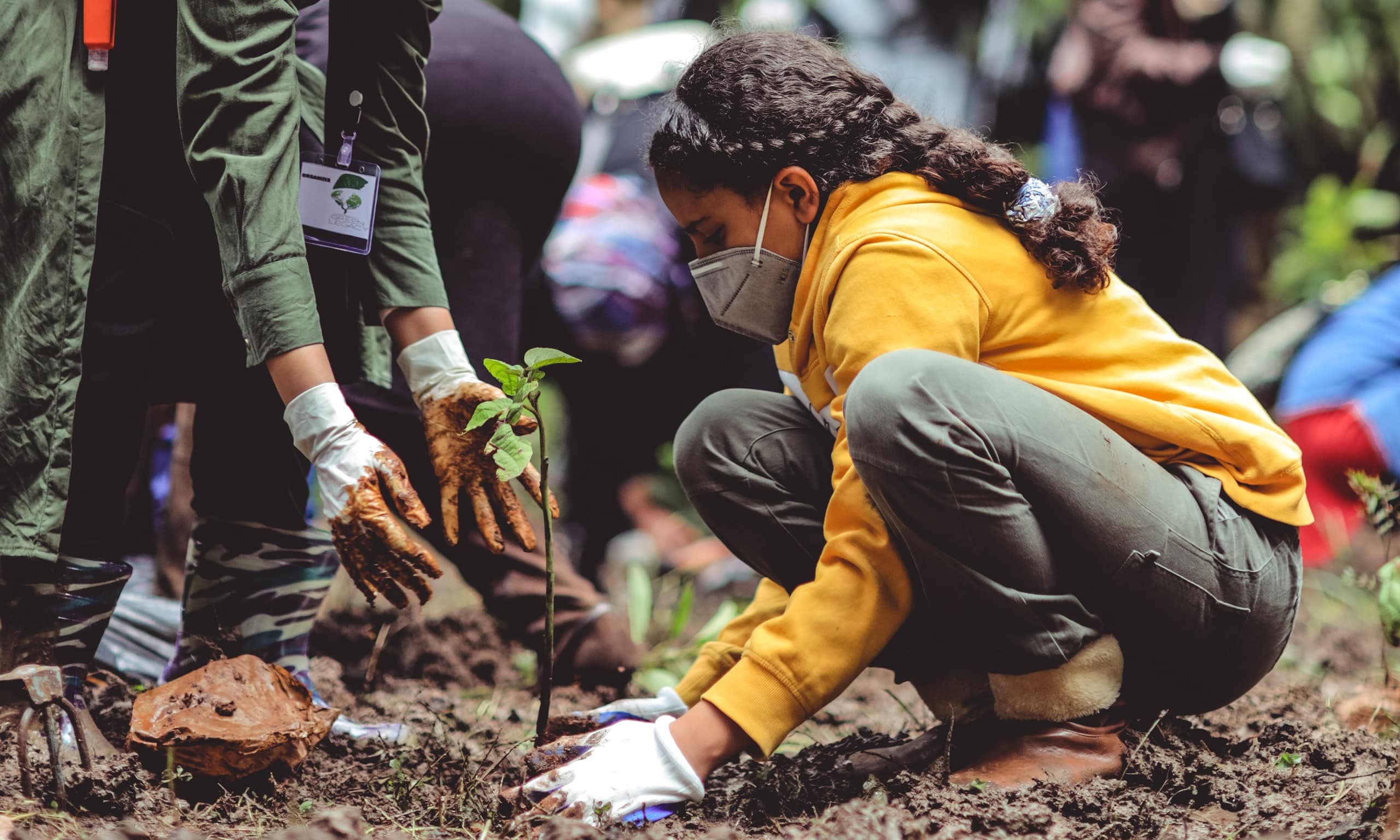
Carbone Terre à Terre (CTaT) puts major emphasis on creating strong and ethical alliances with our community partners, starting from the early planning stages. With its on-the-ground implementation partners, CTaT aims to have Indigenous Peoples / First Nations actively involved in planning and directing the whole initiative. That requires a dynamic buy-in, supported by inclusive participatory governance which needs to be consensus-based. The project’s technical challenges are important, but the greatest obstacle to the necessary transformative change at the local level is disunity within the community and distrust of outside actors who are asking to partner. Developing shared decision-making and trust is an essential foundation for success and must receive adequate attention and resources. CTaT develops projects to international or domestic standards that require a high level of engagement and Free and Prior Informed Consent (FPIC). CTaT believes that a passive FPIC is not enough and FN IP leadership of Nature based Solutions (including nature-oriented Carbon Dioxide removal methodologies) is essential for success, fairness and durability of results.
CTaT projects aim to provide a high level of climate/carbon and non climate/carbon benefits. The total value should be much, much greater than in the business-as-usual baseline scenario, so that participants/project owners will be sufficiently incentivized to protect and maintain enhanced carbon and non carbon outcomes that are really valued. CTaT Afforestation Reforestation Revegetation (ARR) projects will integrate regenerative agriculture practices while providing tangible ecosystem services, such as erosion control, slope stability and shade, as well as sustainable inputs of green manure, poles and renewable energy. CTaT projects that support non-food crops will be set up to ensure that community food security is not jeopardized. CTaT is planning impact ARR projects that are a giant step forward from baseline land uses and require a level of incubation to create and maintain the enabling environment and to achieve the ambitious project scenario benefits. At the base of its ethical engagement, CTaT and its financial partners understand that it is essential to assist communities to transform themselves in the face of a challenging climate emergency.
- Ethical EngagementCarbone Terre à Terre (CTaT) puts major emphasis on creating strong and ethical alliances with our community partners, starting from the early planning stages.
- Afforestation ReforestationAs a full cycle climate forest project originator, Carbone Terre à Terre (CTaT) is actively working to bring on stream its first generation of forest climate pilot projects.
- First Nations climate actionCarbone Terre à Terre (CTaT) is forging relationships of trust with Indigenous / First Nation governments, traditional users and other indigenous stakeholder organisations so as to assist these nations to develop pathways to co-management of their core homelands.
- Project TypesGuided by Carbone Terre à Terre (CTaT) core principles, the following Nature based Solution (NbS) and Carbon Dioxide Removal (CDR) project types (methodologies) are being targeted in partnership with First Nations communities and other stakeholders.